


ramoparadmin
About ramoparadmin
Posts by :
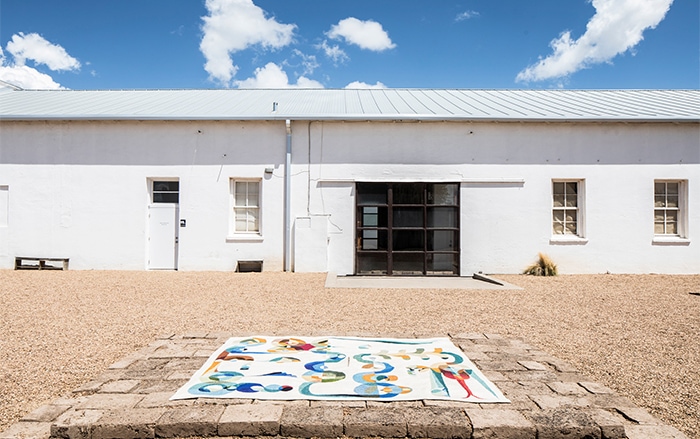

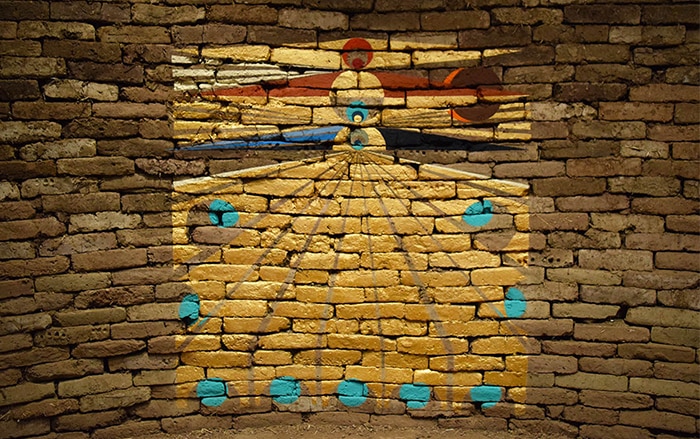

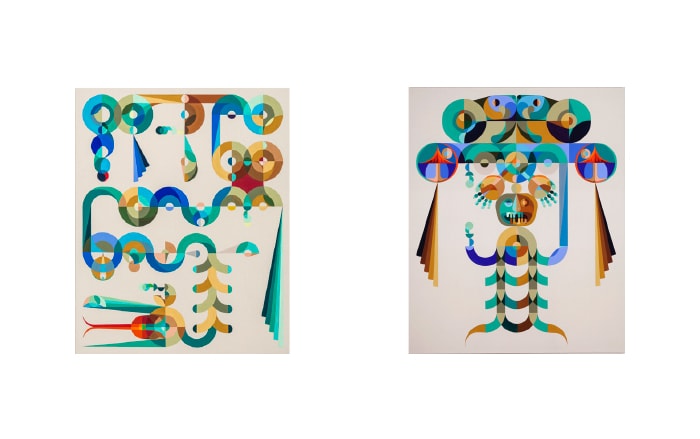
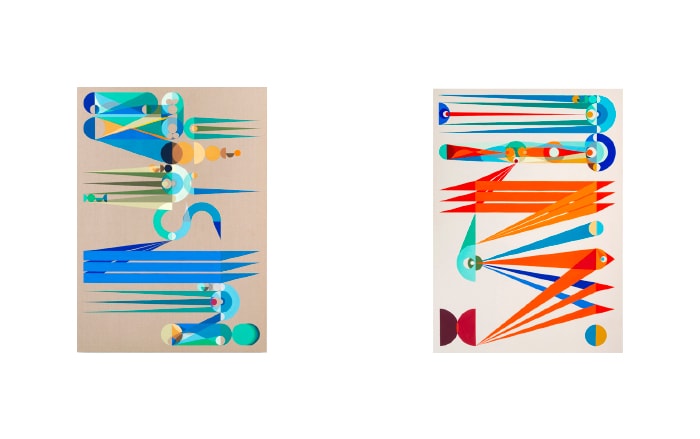

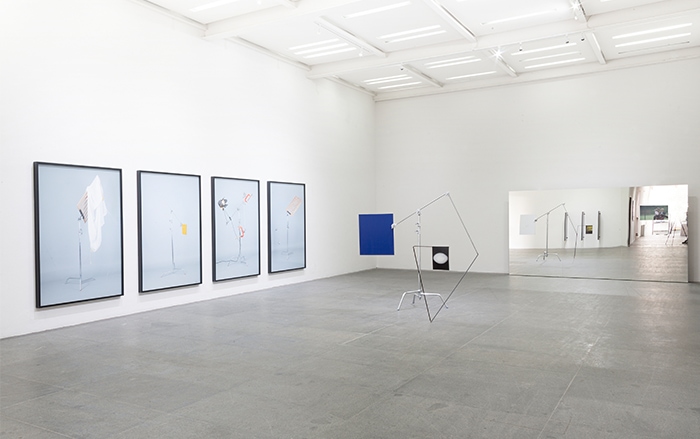
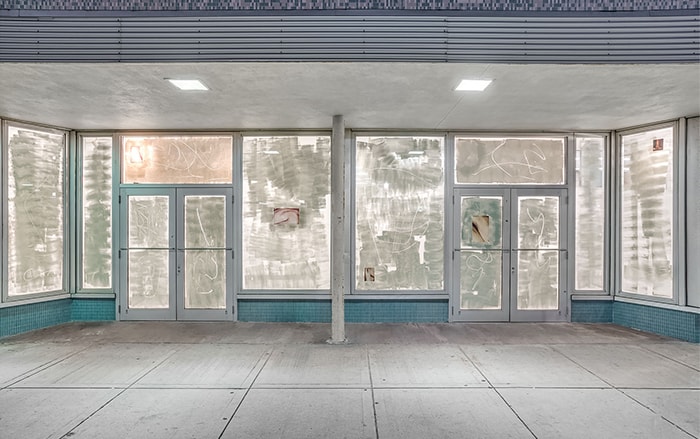
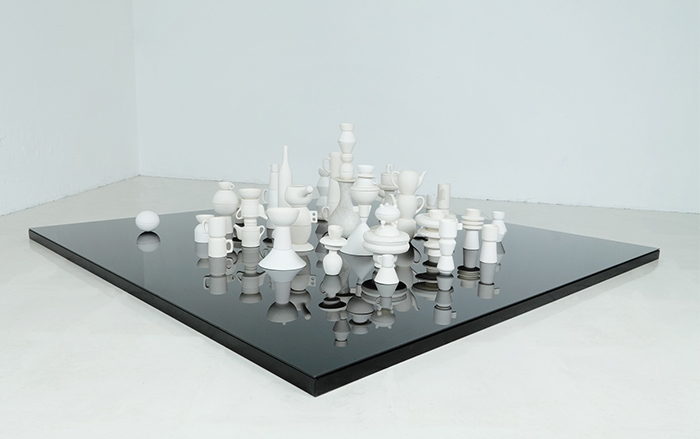
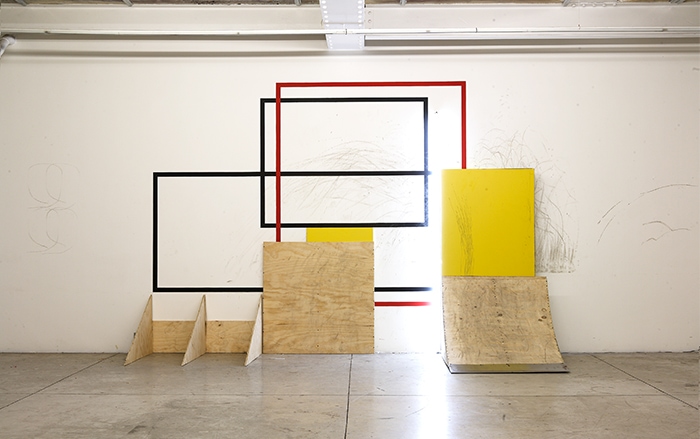

Después de la fermentación solo queda el pozo



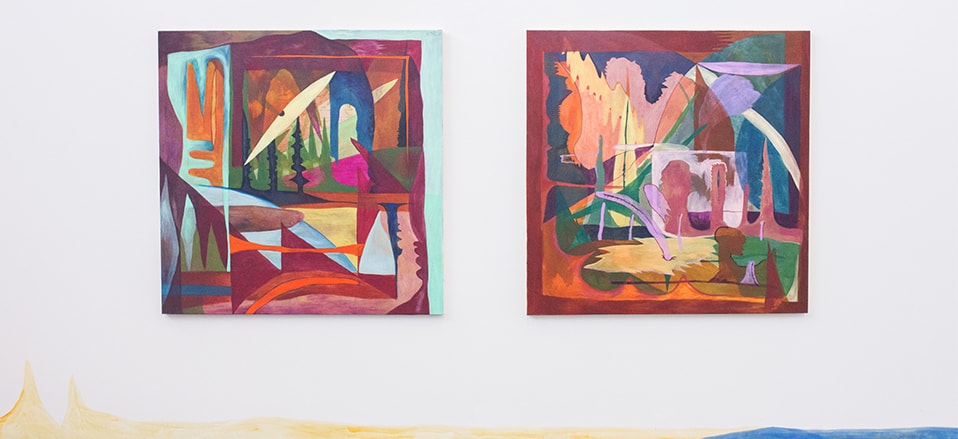

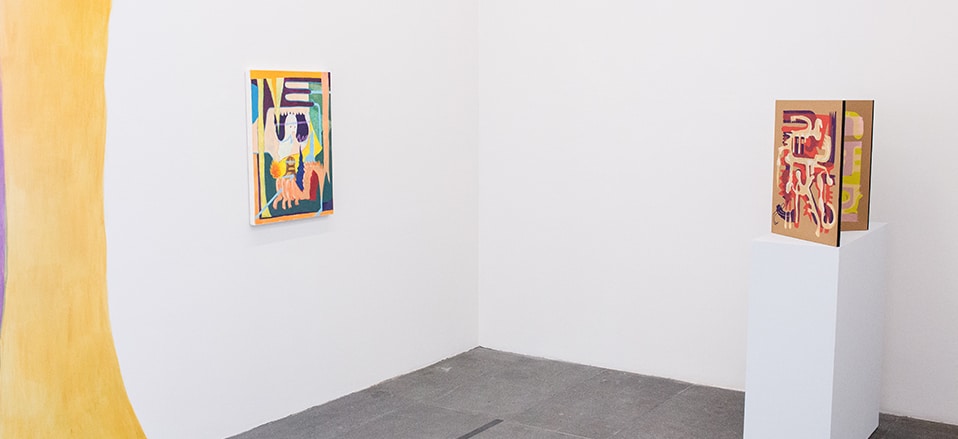
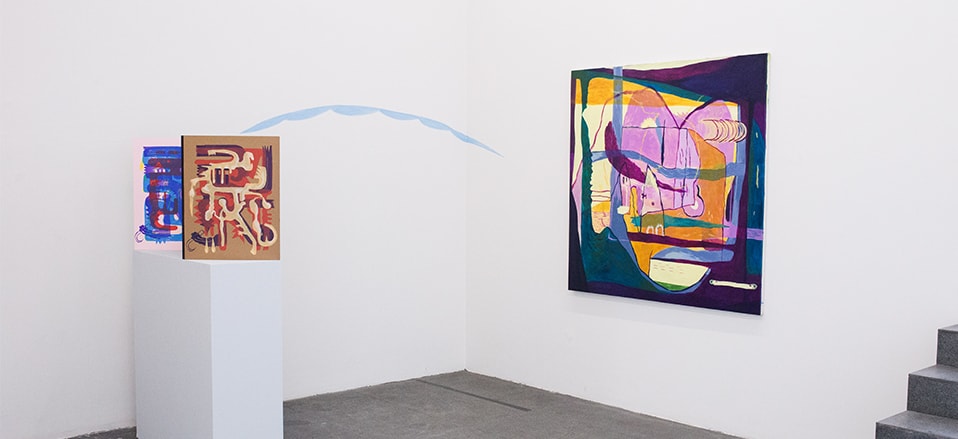


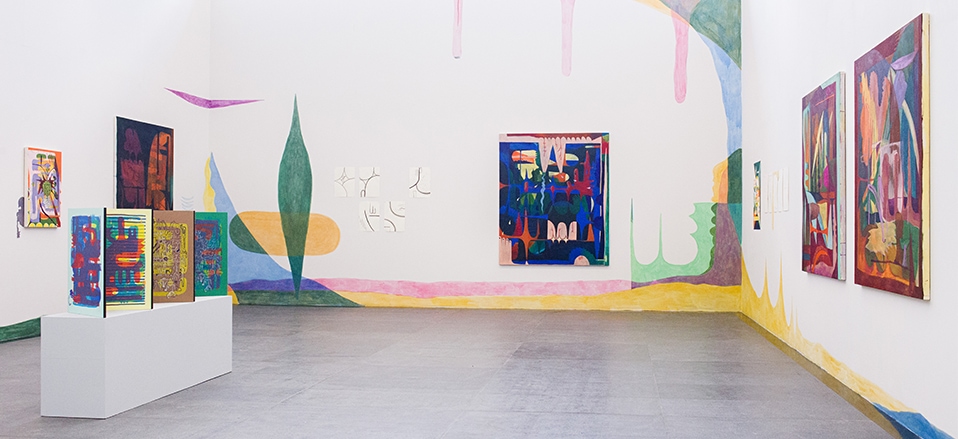
DESPUÉS DE LA FERMENTACIÓN SÓLO QUEDA EL POZO
Bayrol Jiménez
August 29 · 2019 | October 11 · 2019




DESPUÉS DE LA FERMENTACIÓN SÓLO QUEDA EL POZO – Press
DESPUÉS DE LA FERMENTACIÓN SÓLO QUEDA EL POZO
Bayrol Jiménez
August 29 · 2019 | October 11 · 2019
Bayrol Jiménez: Después de la fermentación sólo queda el pozo August 29, 2019 | October 11, 2019
Opening: Thursday, August 29, 2019, 8:00 pm
Páramo presents the program of exhibitions curated and selected by Daniel Guzmán entitled Impasse. A program designed to activate and strengthen the relationship with the local scene through a selection of artists, national and international, who in some way or another develop their work in Mexico.
“With the exhibitions Después de la fermentación sólo queda el pozo of Bayrol Jiménez and OVERDRESSED of Edgar Cobián, Páramo activates its activity in the city. These samples are the beginning of a series of projects that I have selected under the name of Impasse to be presented at the gallery during the 2019 and 2020 program.
“It is necessary, as I have noted at other times, that the city of Guadalajara has a space to exhibit local, national and international contemporary art, with interesting and purposeful proposals, to offer a professional space, open to dialogue, with different creators of the local scene, and with artists who are already part of the gallery program.”
—Daniel Guzmán, Guadalajara, Jalisco, August 2019.
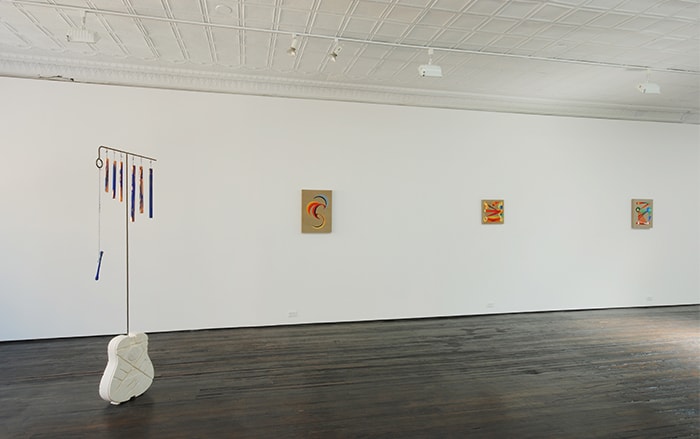
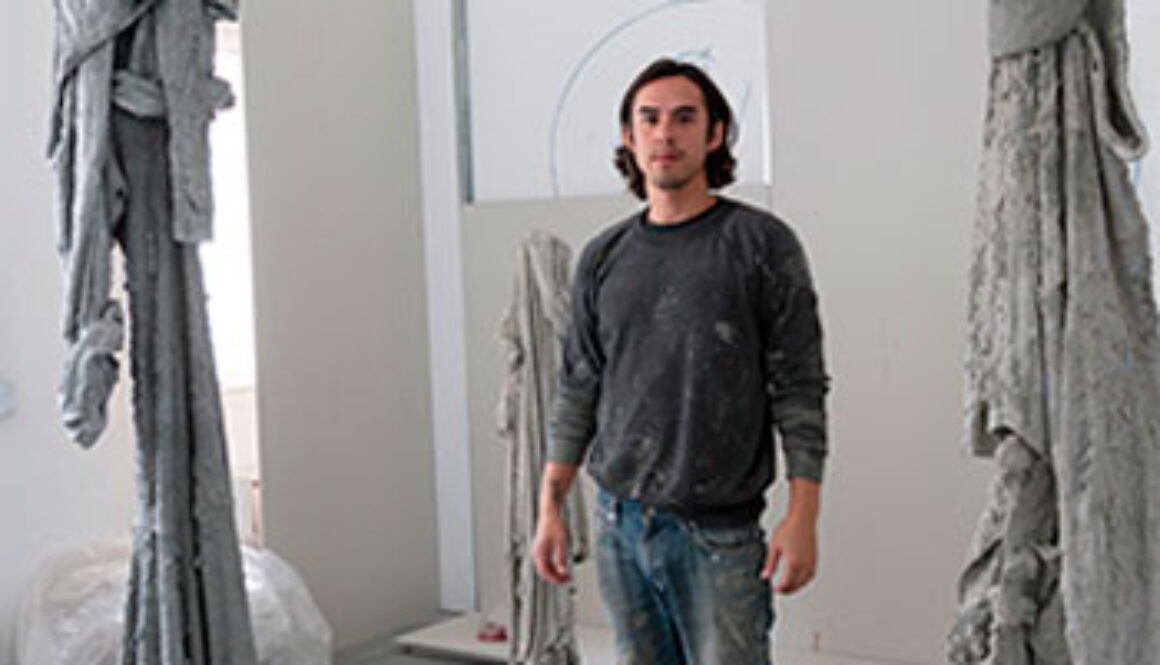
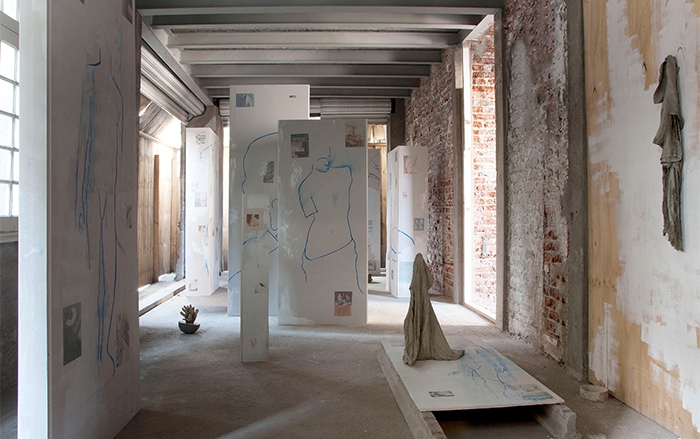
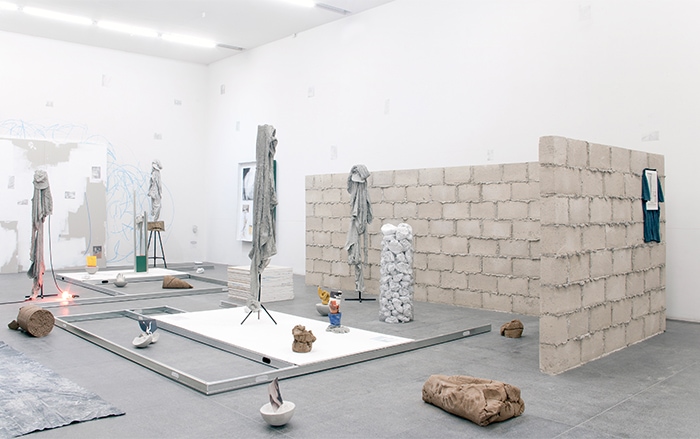
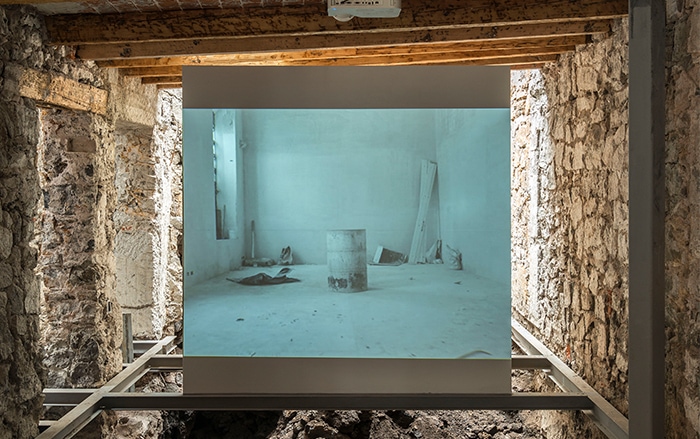
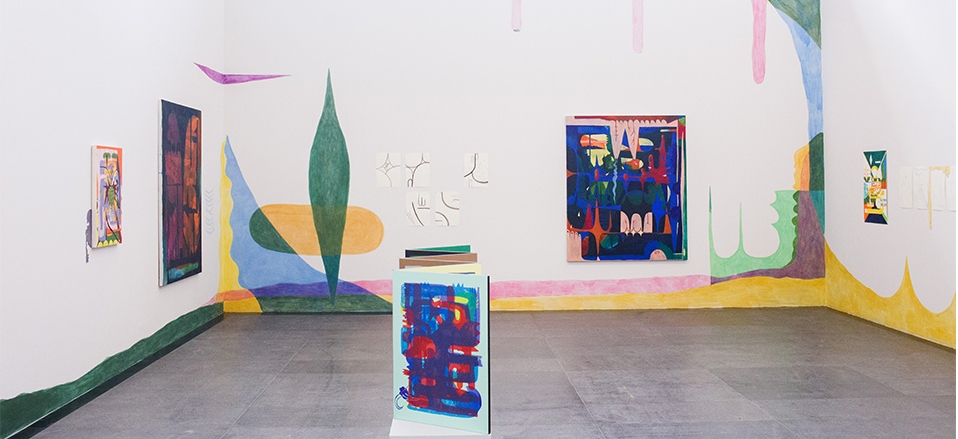
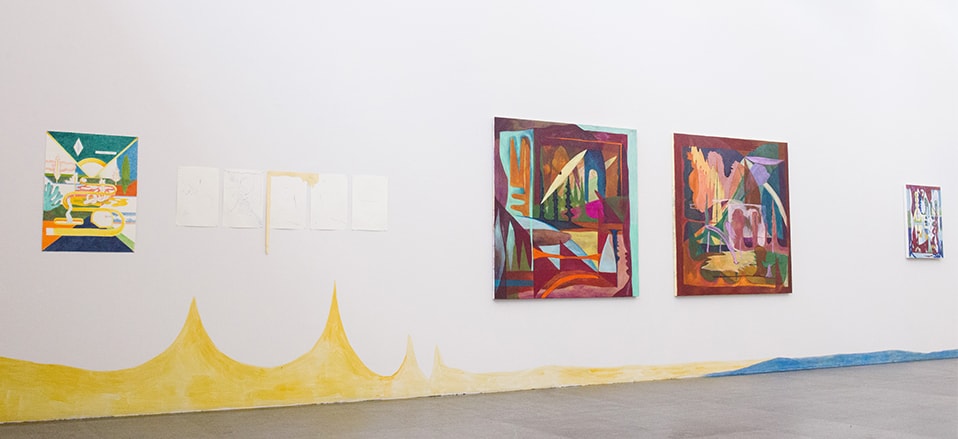
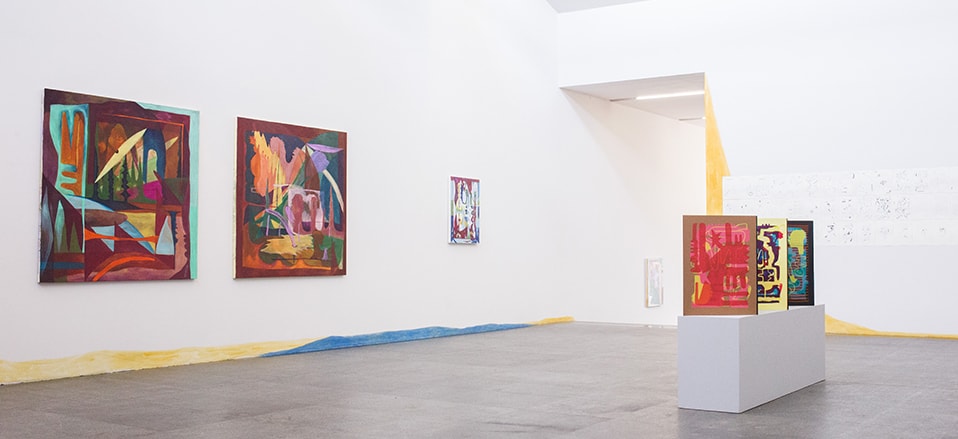
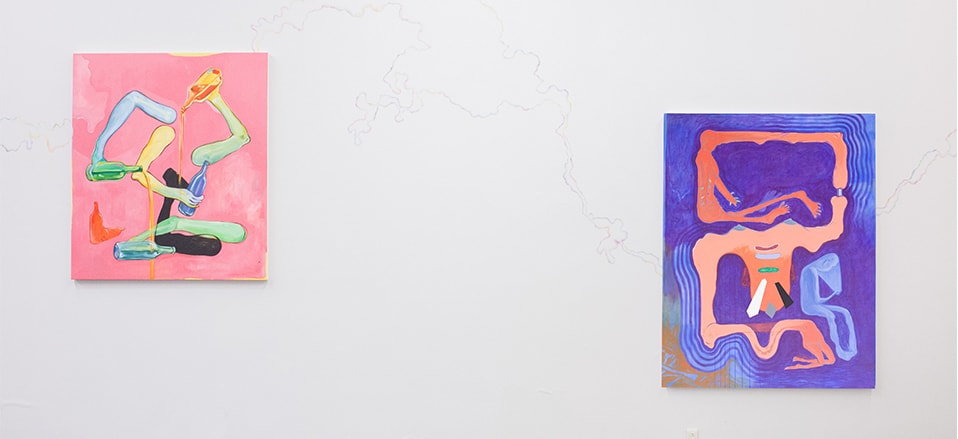
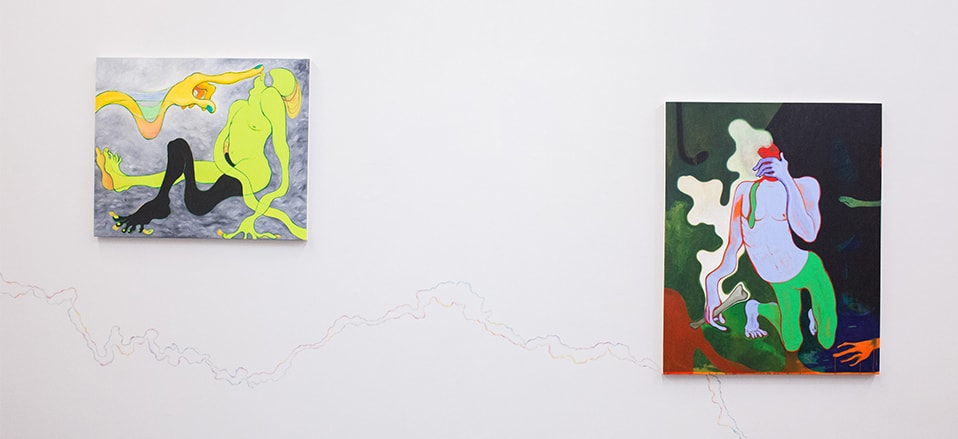
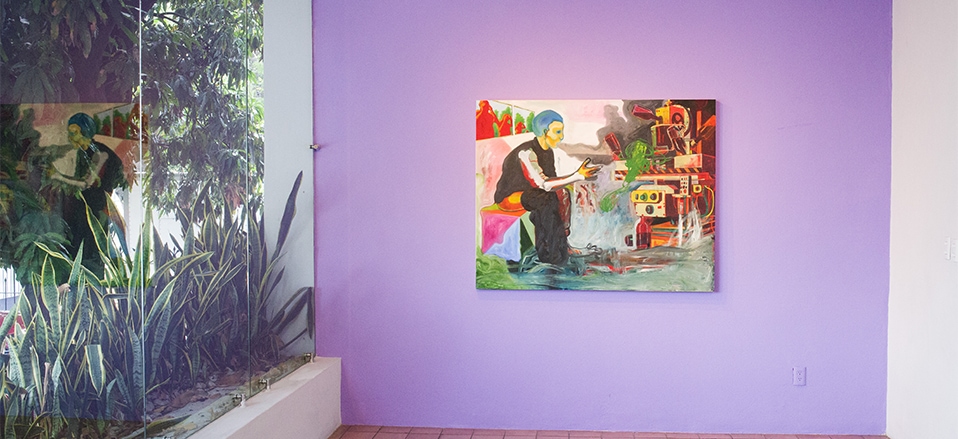
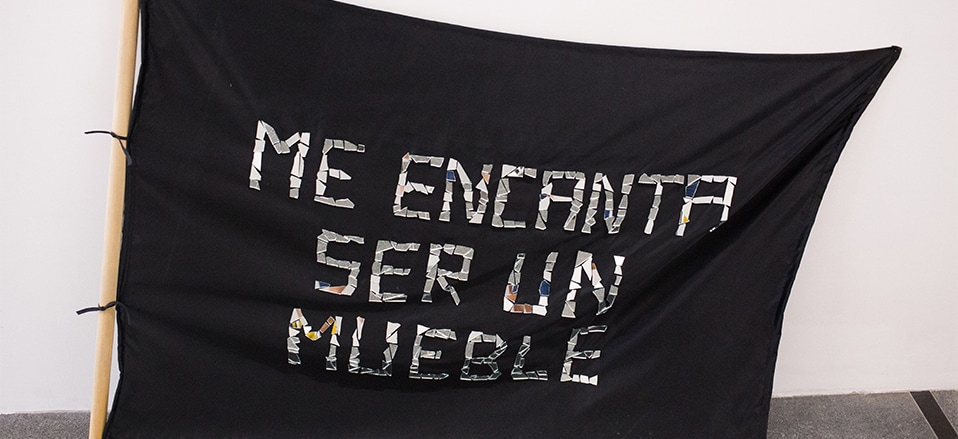
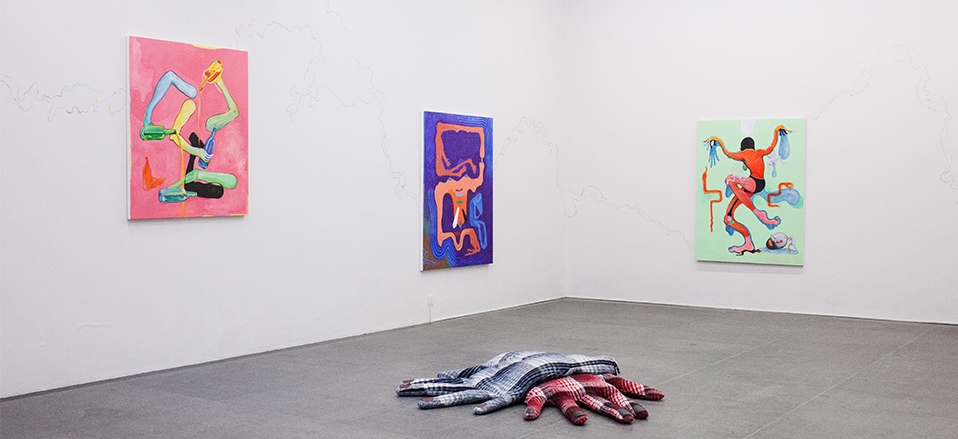
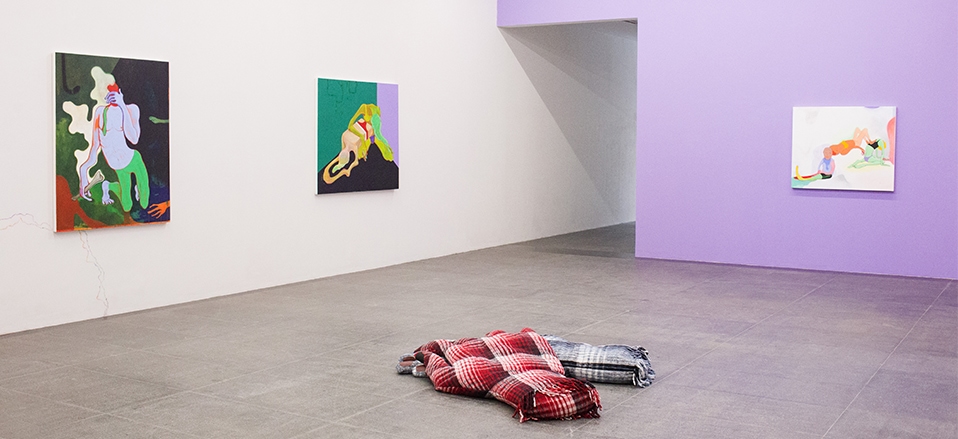
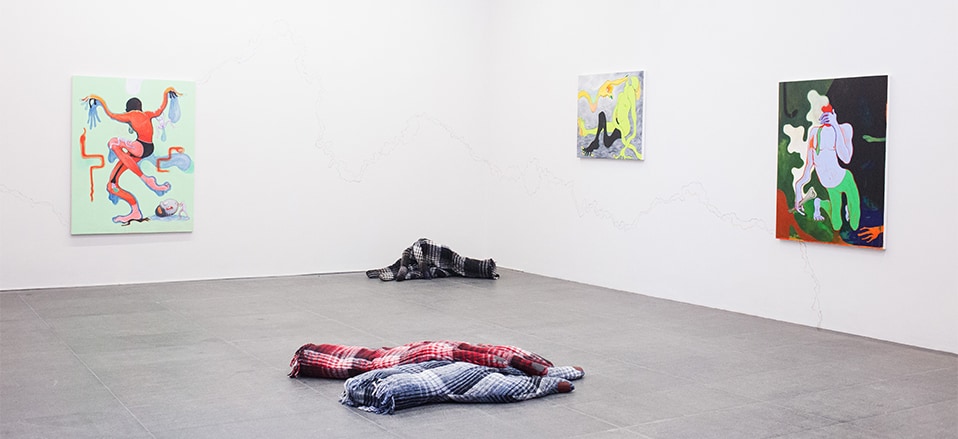
Después de la fermentación sólo queda el pozo, by Bayrol Jiménez, is the artist’s first individual exhibition in Páramo Guadalajara, and one of the first two samples of the gallery’s 2019-2020 program. The exhibition shows the artist’s exploration of the creative capacity from memory to the transformation of the object into drawing, painting or installation.
“Create through cancellation, blur errors and work in dead ends. Return, reverse, trim and recycle. Create a great collage from the ghosts of memory and the physical plane that is the experience: gestures, drills, regrets.”
—Bayrol Jiménez
John Berger has a text about drawing that says: “drawing from memory is to force deep in your own content of past observations”. This was the basis from where Bayrol started to conceived the body of work. Ideas as how things work in a blind space (something like the space in a paper before drawing, or the white sheet waiting for a word), or if we take away the subject or theme and start by choosing those strange spots that we see when we close our eyes.
Using Henri Bergson’s idea of a dream and memory as a sort of collage of things that we observed, all the works became matter for recycling.
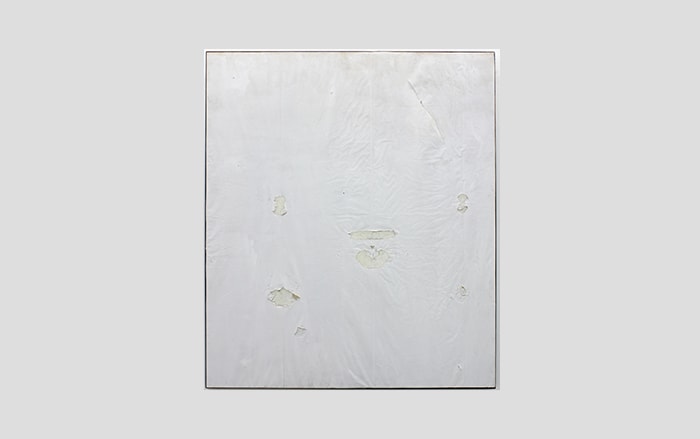
The result as Jiménez explains is that all the works started talking to each other, no matter the moment that were made or the technique he used. The works just mixed, so he cut many of them and made several collages. At the end he made several compositions, from the beginning to the very end, playing along with the formats between colors and empty spaces, creating a unique and complex composition.
The practice of Bayrol Jiménez (Oaxaca, Mexico, 1984) seeks to show experiences within drawing, painting or installation. This is conceived based on two ideas of memory. First as a space where the memories of images are not true to reality but work as a kind of collage of everything lived, small cuts that blend with each other. Second, the physical memory of the draftsman acquired through the practice of drawing through the eyes, the hand, the fingers, or the whole body, are only experience focused on processes that are transformed, under the philosophical concept of Emile Cioran, into simulations and waste.
About the artist
Bayrol studied at the National School of Painting, Sculpture and Engraving, La Esmeralda and at the Villa Arson National Superior School of Art in Nice, France. He has made several international individual and collective exhibitions in Germany, Brazil, France, Canada, Mexico, among others. Jiménez has been an artist in residence in various spaces such as the Foundry Darling, Montreal, Canada, 2019; and SeMA Nanji, Seoul Museum, South Korea, 2017. His work is part of various private international collections, including the Asante Collection, Switzerland; Kadist Collection, San Francisco, USA; Luciano Benneton Collection, Italy and Freek Lomme Collection, The Netherlands.
For further information, please contact: media@paramogaleria.com / +52 33 3825 0921.
Press enquiries: media@paramogaleria.com / +52 33 3825 0921.
Páramo would like to extend its gratitude to Tequila 1800 Cristalino and Cerveza Minerva for their collaborative support.
TAGS: #BayrolJiménez #Despuesdelafermentacion #Paramo
Estructuras de la razón – Press


ESTRUCTURAS DE LA RAZÓN
Adrián S. Bará
June 14, 2019 | August 16, 2019
Adrián S. Bará: Estructuras de la razón June 14, 2019 | August 16, 2019
Opening: Thursday, June 14, 2019, 8:00 pm
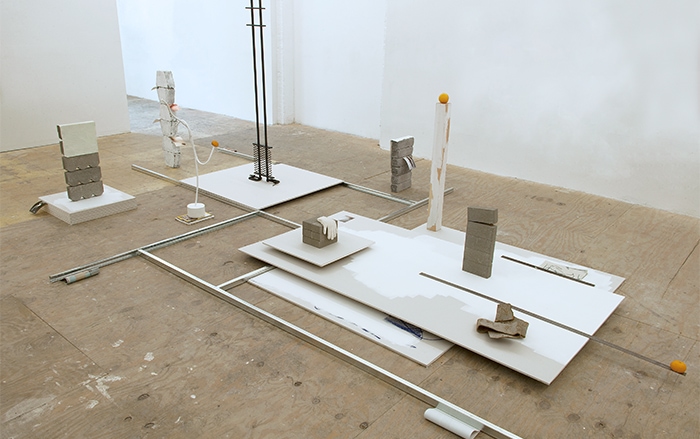
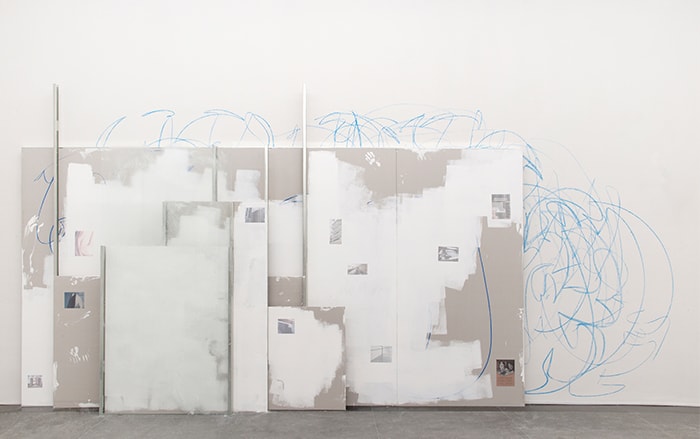
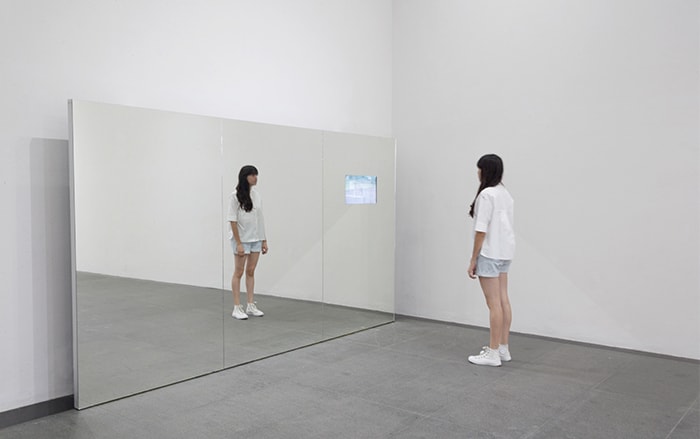
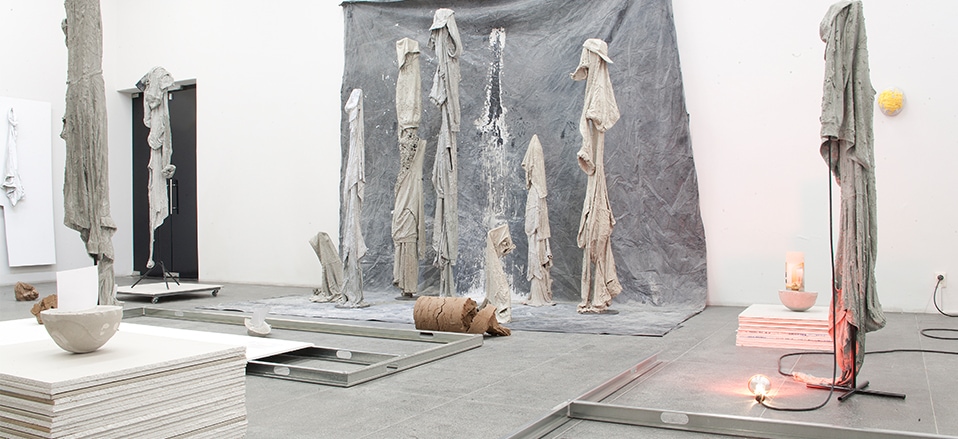
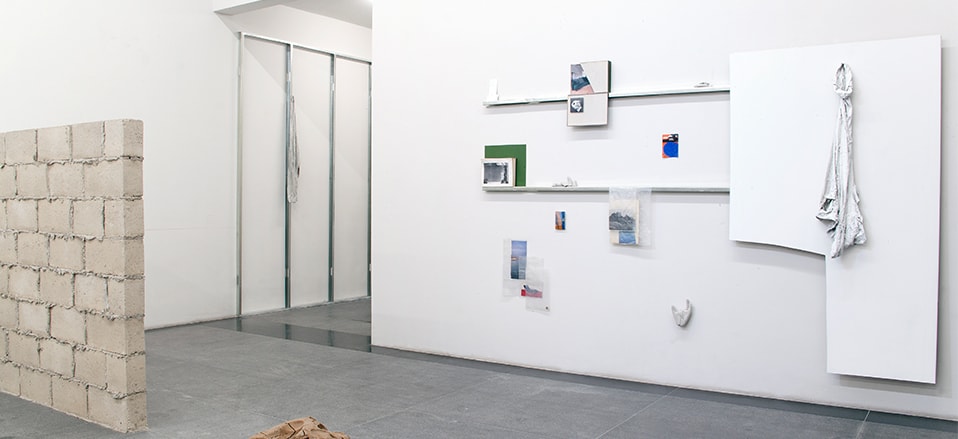
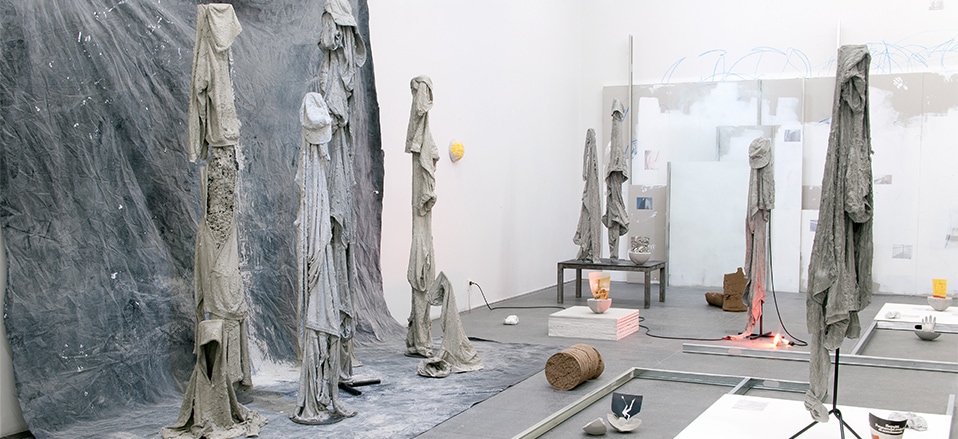
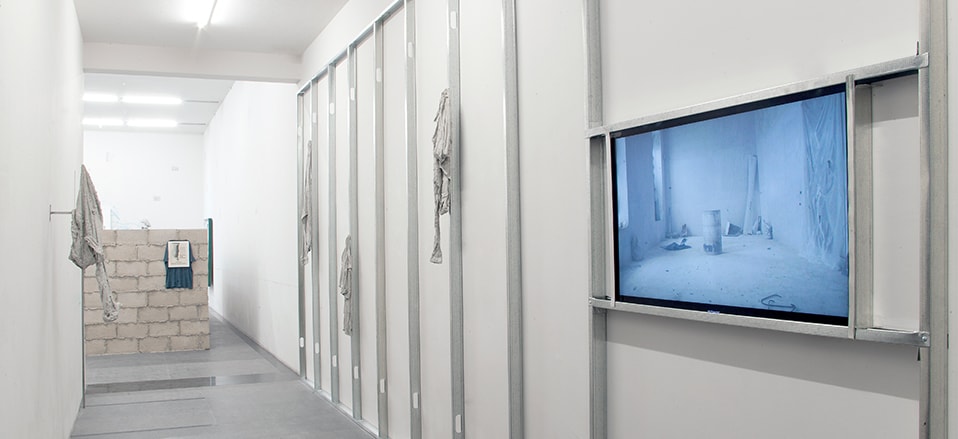
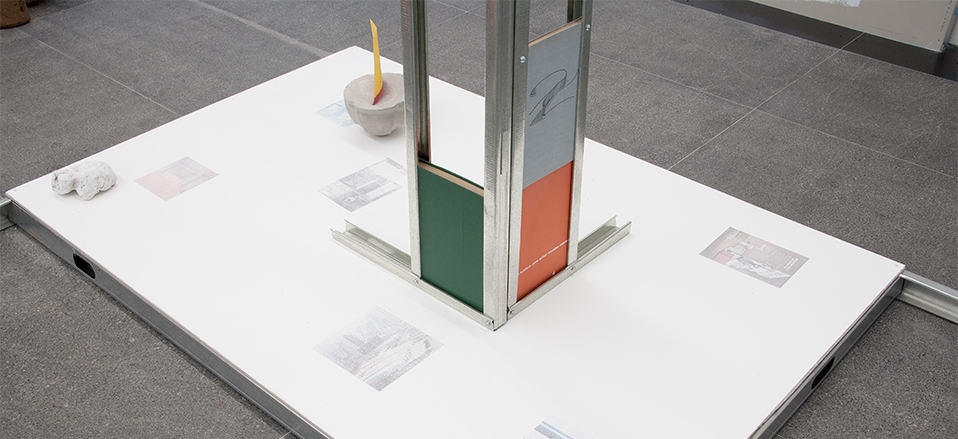
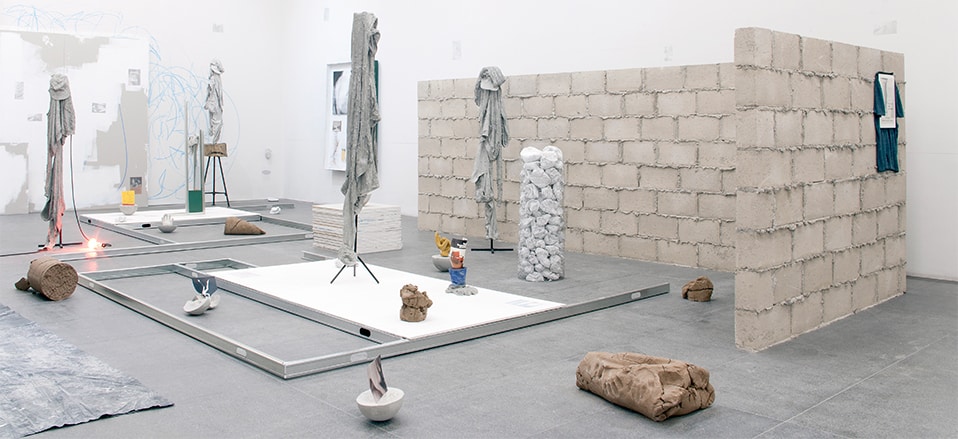
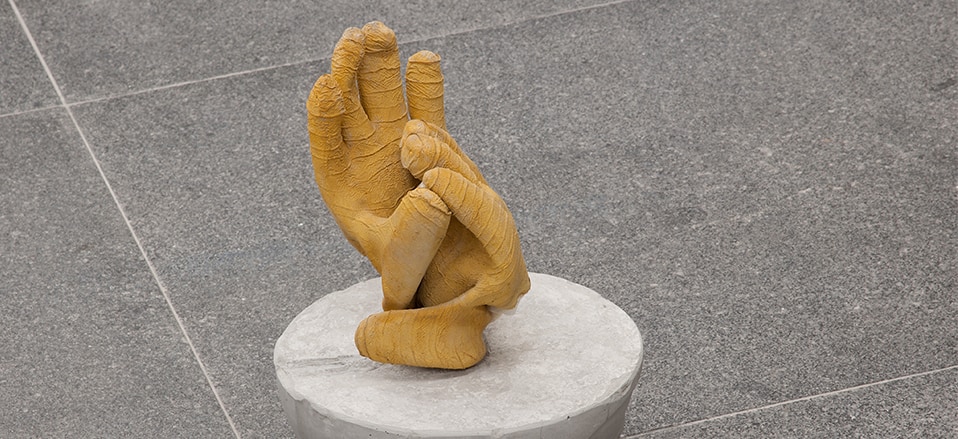
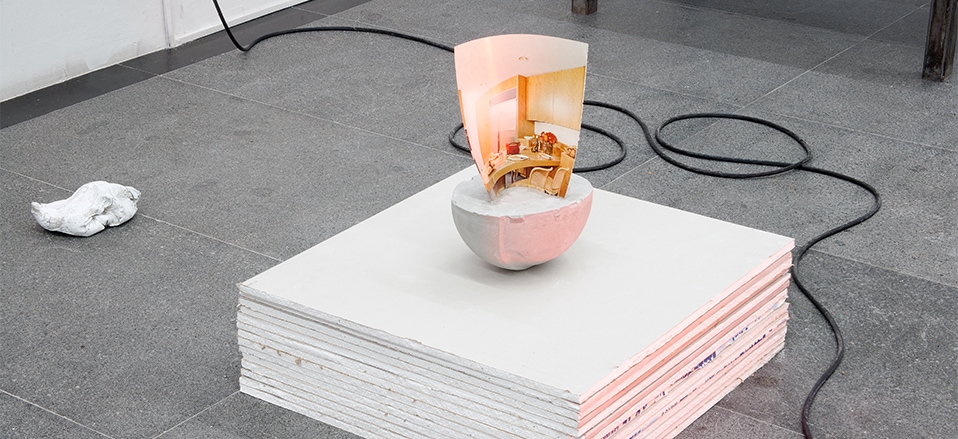
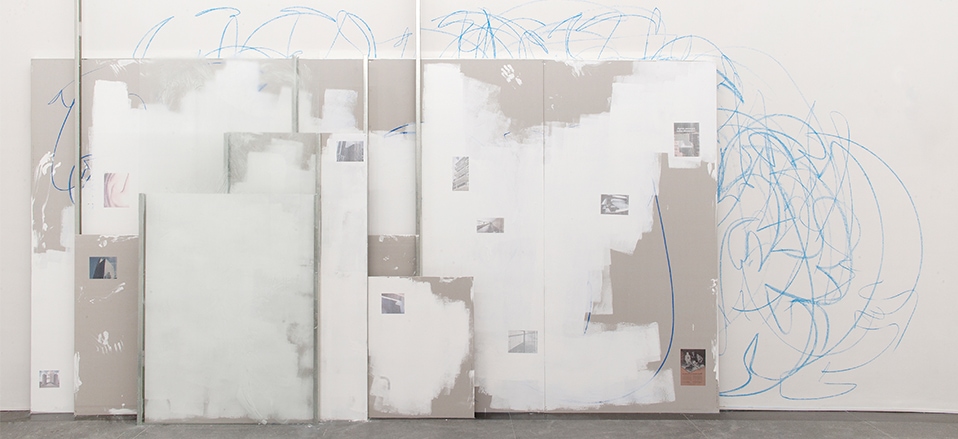
Páramo is pleased to present Estructuras de la razón, a solo exhibition by Adrián S. Bará. Estructuras de la razón furthers Bara´s ongoing project and research based on the artist´s interest in the effects of standardized international architecture on the body and the senses. Comprised exclusively of a new production of works that includes painting, drawing, collage, installation, sculpture, and video, Bará proposes a deconstruction of the urban environment to explore the structures that shape daily life. At the same time, Bará´s tactile oeuvre creates a sharp critical commentary on the detrimental historical predominance of a vision centered interpretation of knowledge, truth, and reality. Bará´s exhibition produces an immersive experience through the inclusion of sculptures and installations that contains staple materials used in the construction of today’s cities, including concrete, structural steel studs, and sheetrock, to provide evidence on how this type of buildings sets out its main interests without examining the impact it generates on society, identity, and body. Bará reveals how this type of architecture that is built quickly with cheap and easy to export materials to all parts of the world diminishes our social capacity, empathy, and participation with each other, and isolates us from reality with its tendency to standardize all. The visual display of this exhibition is manifold. The artist fusion of cutouts and printouts from architecture magazines and books intermingled with corporal structures and construction objects highlights how, since the classical Greek, the hegemony of vision has been reinforced, both in aesthetics and speech. As well, the artist´s constant use of a white color palette on structures, collages, paintings, and sculptures references the denial of the essence and age of the materials in standardized international architecture, to reflect our rejection and fear of death. In contrast to this view, Bará confronts the viewer with an intended raw aesthetic, while transforming construction materials into complex narratives. The presence of the artist´s body imprints on clay blocks, cement sculptures, and the evidence of physical drawings on the wall, combined with the smell of wet pavement, and the disruptive existence of an unfinished concrete wall embraces visitors to question the authoritarianism of reason, the state of alienation disconnected from our own bodies and acceptance of decay.About the artist
Adrian S. Bará’s (b.1982, Mexico City) practice, at its core, explores the body and its relation to space and modern architecture, as well as its representation at the intersection between sculpture, installation, painting, and video. The artist’s training as a filmmaker drives his narrative—pulling in from daily materials and positions to construct ‘sculpted situations’ that are meant to be activated by viewers as they project their own accounts into the objects that invite them to do so. Bará´s artwork often functions as archival traces of personal events—as stories that are meant to be intervened, challenged, and transformed through acts of looking. Bará has held solo and two-person exhibitions including the ongoing project and exhibition Estructuras de la razón, Páramo, Guadalajara, Mexico (2019) and ArtCenter / South Florida in Miami, USA (2017); Adrián S. Bará and Florian Schmidt, Johannes Vogt, New York, USA (2017); Aesthetics of a Collapsed System, Casa Pedregal, Mexico City (2016); Le Palais, Páramo, Guadalajara, Mexico (2015). Selected group exhibitions include Almost Solid Light: New Work from Mexico, Paul Kasmin, NY, USA (2018); Tinnitus y Fosfenos, Zapopan Art Museum, Zapopan, Mexico (2014); and Everything Must Go, Casey Kaplan Gallery, New York, USA (2011). In 2019, Bará was an artist-in-residence at PIVÔ Research, São Paulo, Brazil, and in 2016 at the International Studio & Curatorial Program (ISCP) in New York, USA. The artist’s work as director of photography for films includes The Weekend Sailor (2016), Madrid International Film Festival award for best cinematography, and The Solitude of Memory (2014), included in Le Festival de Cannes 2015, and winner of the jury Award for Documentary Short at the Slamdance Film Festival. Work by the artist is held in private collections worldwide, including the Space Collection, Irvine, California, USA; Luciano Benetton Collection, Italy; Suro Collection, Guadalajara, Mexico, and Diéresis Collection, Guadalajara, Mexico. For further information, please contact: media@paramogaleria.com / +52 33 3825 0921. Press enquiries: media@paramogaleria.com / +52 33 3825 0921. Páramo would like to extend its gratitude to Tequila 1800 Cristalino, Club de Costa and Cerveza Minerva for their collaborative support. TAGS: #AdrianSBara #Estructurasdelarazon #Paramo
My country you do not exist – Press

MY COUNTRY YOU DO NOT EXIST
Eddie Aparicio
June 14, 2019 | August 16, 2019
Eddie Aparicio: País mío no existes / My country you do not exist
June 14, 2019 | August 16, 2019
Opening: Friday, June 14, 2019, 8:00 pm
Páramo is pleased to present País mío no existes / My country you do not exist by Eddie R. Aparicio—the artists first show at the gallery.
The title of the exhibition comes from a poem by the foremost Salvadoran poet Roque Dalton called El Gran Despecho from 1969. Dalton was exiled for his political activism, and the poem asserts the fallacy of nationalism and that without the people that create a country it ceases to exist. This idea serves as an essential conceptual framework in these works by extending the concept of exile to a broader history of forced displacement in El Salvador.
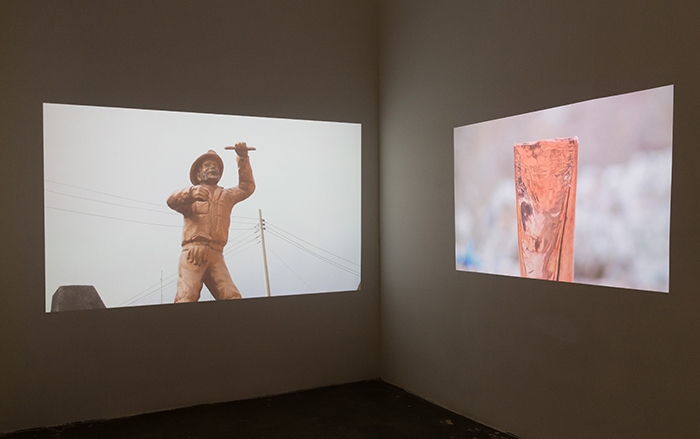
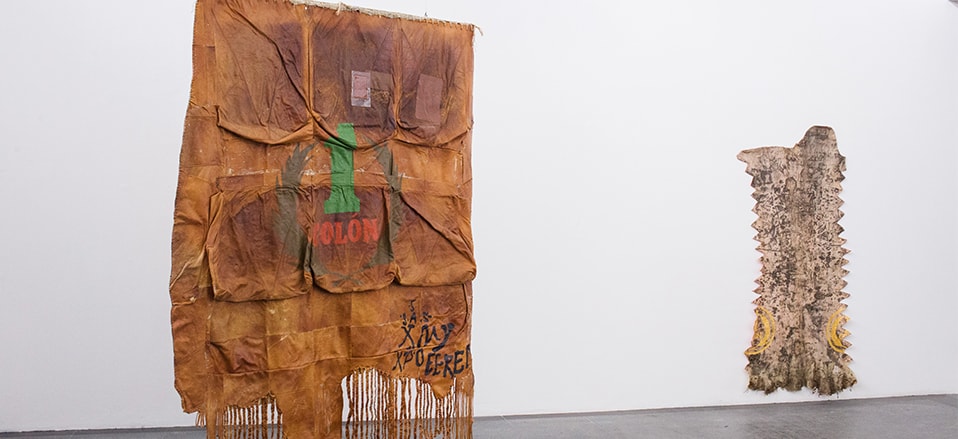
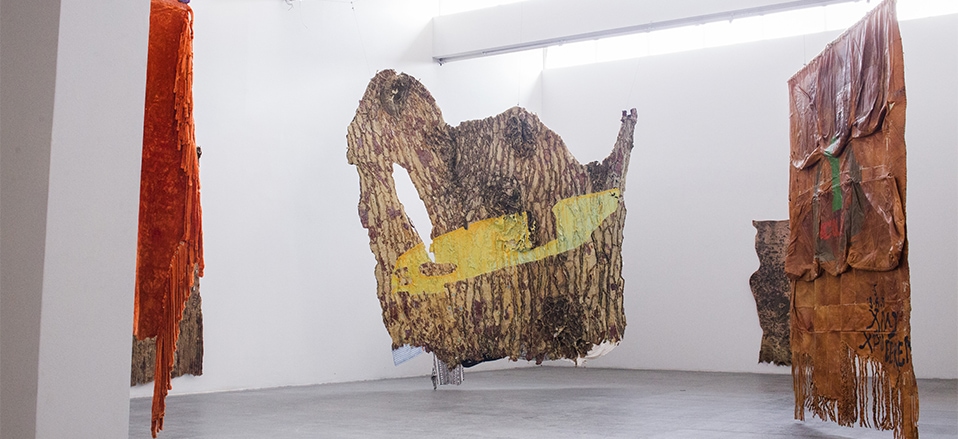
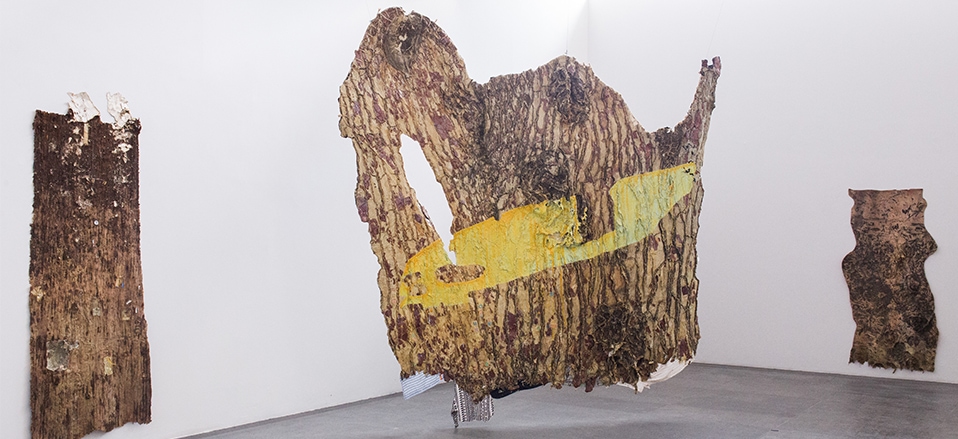
Aparicio was initially drawn to rubber for its resonance with his family’s Salvadoran origin. Rubber trees and a rubber industry once thrived in El Salvador, a product of indigenous knowledge, disrupted by political violence. A previous project took the artist to El Salvador and then neighboring Guatemala in search of his raw materials. These works sit within a transnational worldview by focusing on material histories, multiplicity of site across boundaries, and collaboration with other species that hold their own types of memory.
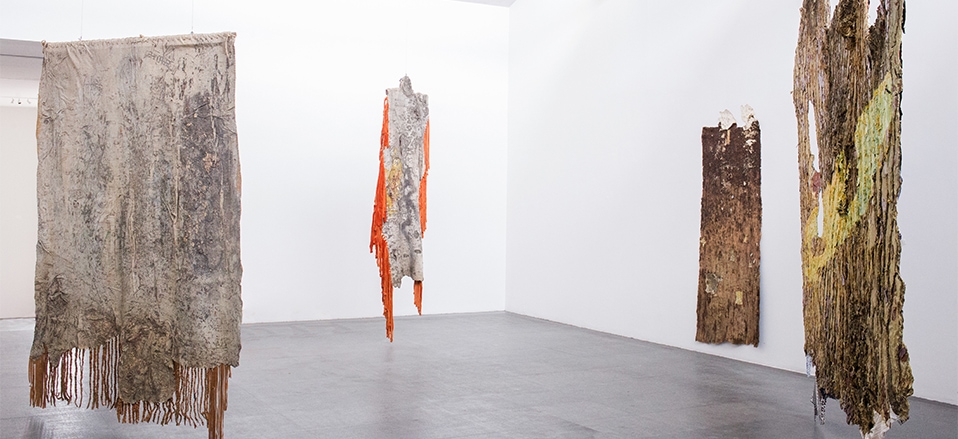
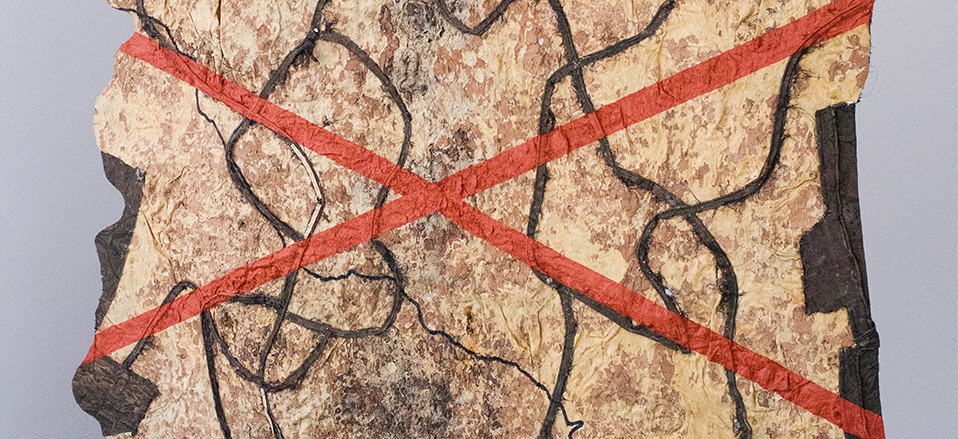
These pieces employ a unique process that incorporates elements of painting, sculpture, printmaking, and installation. The process of creating the prints (or documents as the artist calls them) makes a mirror image of the trees capturing the growth marks, human scarring, graffiti, and environmental residue. Aparicio noticed that the history of these species of trees had a strong metaphorical connection to the same Latinx communities in those Los Angeles neighborhoods.
Characteristic of Aparicio’s practice, the pieces in this exhibition take the rubber print as a base and combine other found materials and images to create a series of works that are all singular in process. The unique formal and material decisions in each piece create an indexing of each particular site. Found couches, clothing, and blankets serve as a structural backing to the rubber prints and also add layers of materials that each has its own history of use and connection to place. What was previously linen, or canvas has been replaced in this body of work with these alternate backings as a statement in favor of totally material non-neutrality. Aparicio asserts that the clearest way to follow the traces and branches of colonialism and historical oppression is first to claim total material non-neutrality. There is no neutral position within an ecological understanding of the world where environmental justice is inextricably linked to social justice and all materials in art making (especially our bodies) are part of that conversation.
About the artist
Eddie Aparicio was born in Los Angeles in 1990. He received an MFA in Painting and Printmaking from Yale University in 2016, a BA in Studio Arts from Bard College in 2012 and has also attended the Skowhegan School of Painting and Sculpture and the Southern California Institute of Architecture. His recent works address the intersection of social and environmental justice through specific use of material, sound, and multiplicity of site. He uses materials that have a strong tie to pre-hispanic cultures in Central America to document Central American communities in Los Angeles. He has exhibited at The Mistake Room, Steve Turner Gallery, Zona Maco, and Anonymous gallery among others. He has received awards from the National Endowment for the Arts, the California Community Foundation, and was recently a finalist for the Artadia LA award.
For further information, please contact: media@paramogaleria.com / +52 33 3825 0921.
Press enquiries: media@paramogaleria.com / +52 33 3825 0921.
Páramo would like to extend its gratitude to Tequila 1800 Cristalino, Club de Costa and Cerveza Minerva for their collaborative support.
TAGS: #EddieAparicio #Paismionoexistes #Mycountryyoudonotexist #Paramo
My country you do not exist
MY COUNTRY YOU DO NOT EXIST
Eddie Aparicio
June 14, 2019 | August 16, 2019
ZIGGURAT/ZIGURAT – Press




ZIGGURAT / ZIGURAT
Eamon Ore-Giron
January 31 | April 3, 2020
Eamon Ore-Giron: Ziggurat / Zigurat January 31 | April 3, 2020
Opening: Friday, January 31, 2020, 8:00 pm
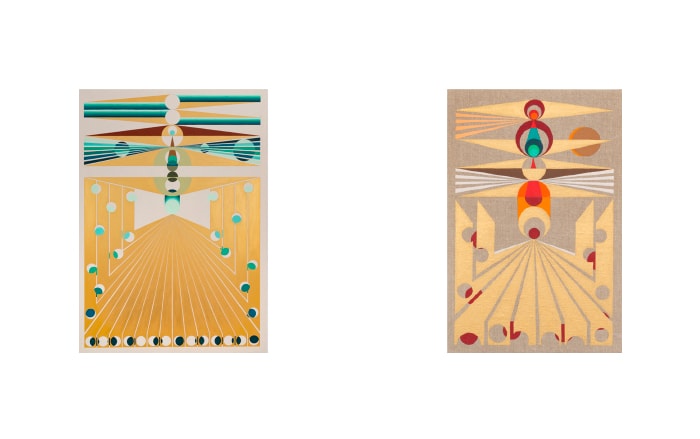
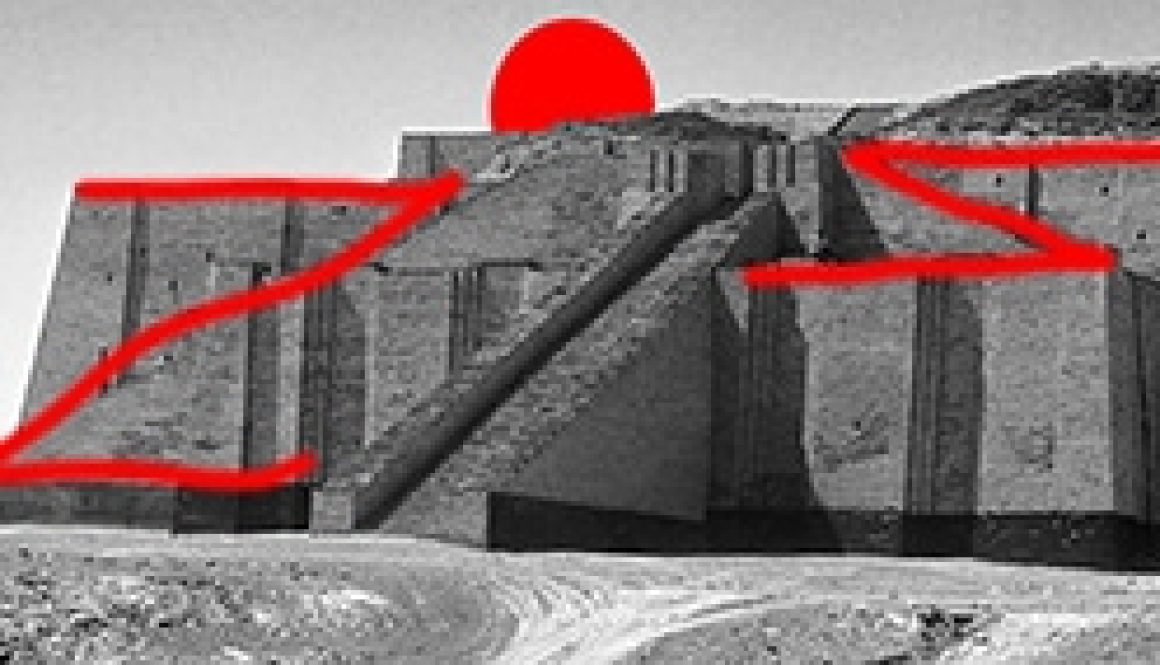
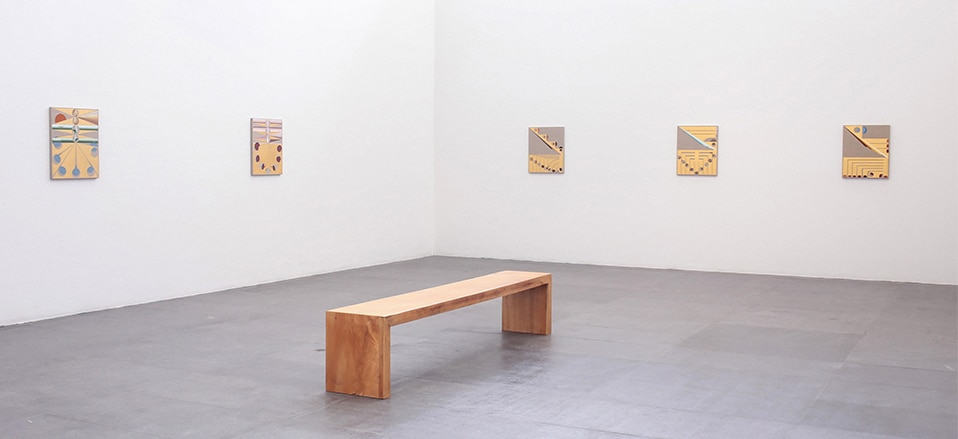
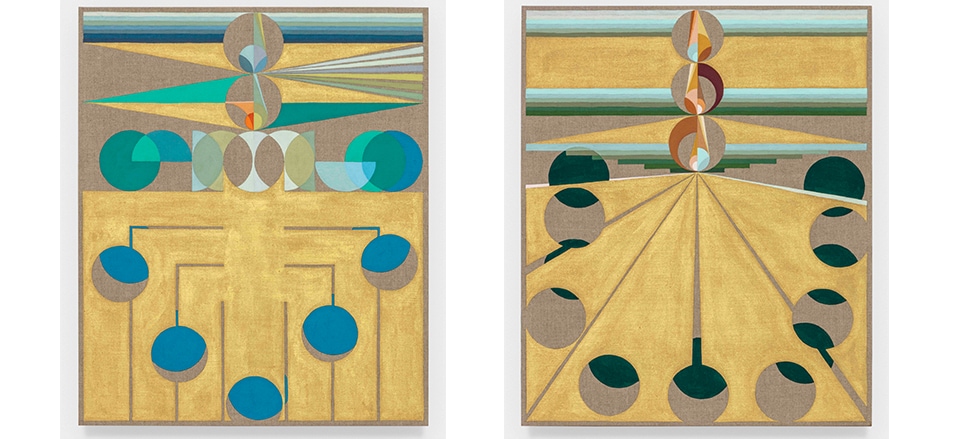
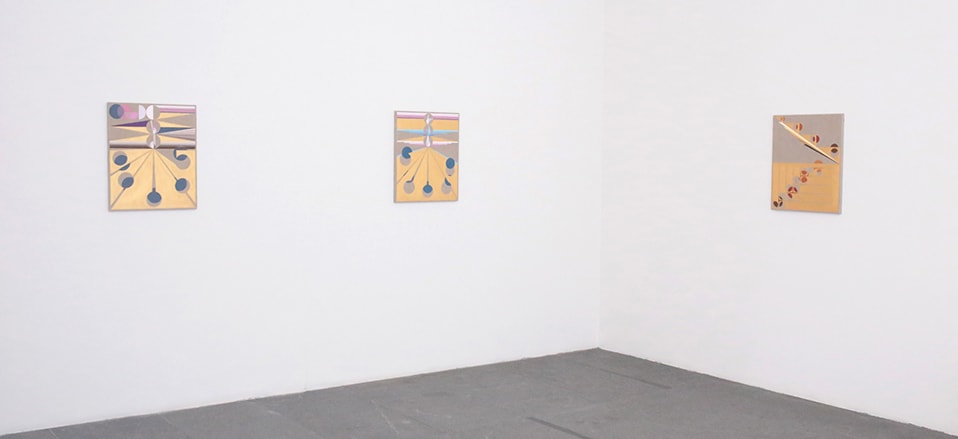
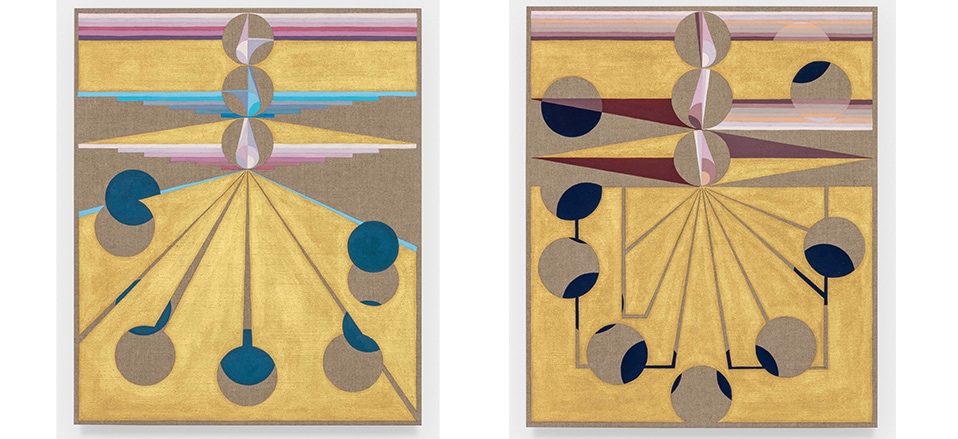
Páramo presents the exhibition Ziggurat / Zigurat, by Eamon Ore-Giron. A ziggurat is a shrine or temple constructed as a terraced compound of successively receding levels.
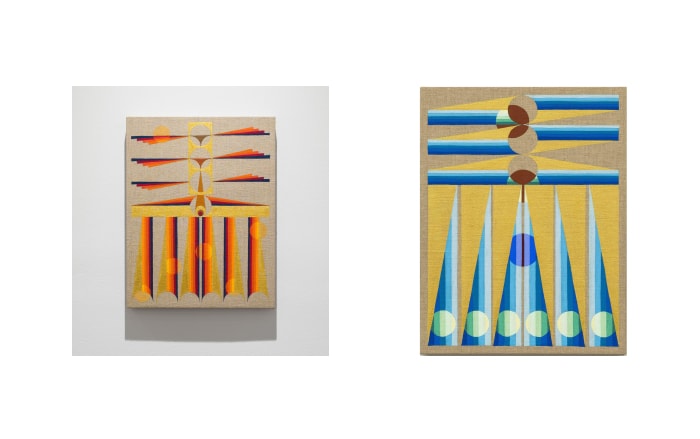
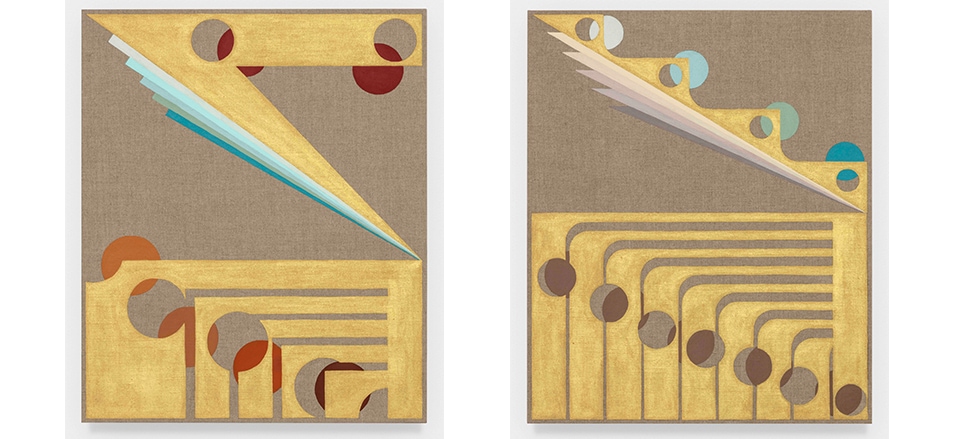
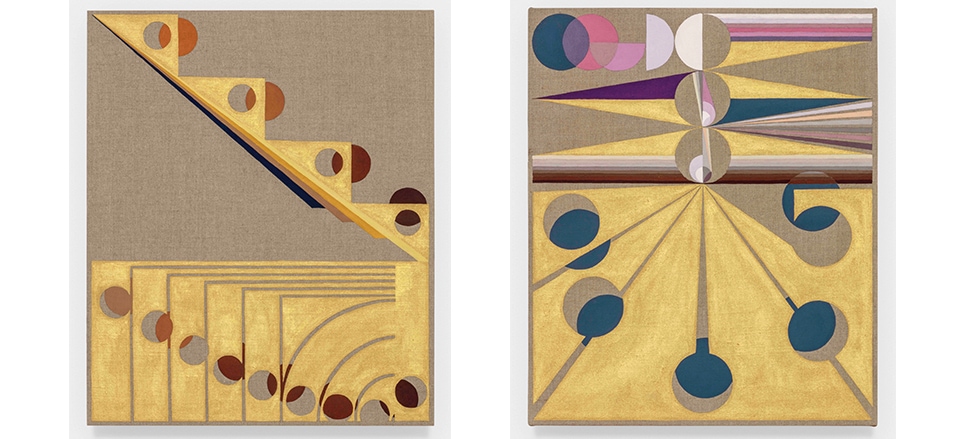
In his ongoing Infinite Regress series, including the works presented in this exhibition, Eamon Ore-Giron (b. 1973, Tucson, USA) investigates the evocative potential of abstraction and brings historical and contemporary visualities into dialogue within a precise motif. This motif consists of a central golden geometric form with brightly hued spheres that appear to pass behind and through it. The paintings use shifts in space, color, and form to create optical play, evoking diagrams of the celestial and ancient architectures.
Several of the works in this new suite of paintings make literal reference to the stepped form of the ziggurat. Each painting in the exhibition functions as a shrine or a portal of sorts, drawing the viewer in and suggesting a liminal or transitional space and a notion of axis mundi––a mythological concept representing the connection between heaven and earth.
In Ore-Giron’s own words, the Infinite Regress series is a “celebration of the emotional potential of abstraction to map the unseen topography of our inner lives and create a visual language that is both timeless and out of time”.
About the artist
Eamon Ore-Giron (b. 1973) was born in Tucson, Arizona, and currently lives and works in Los Angeles, California. Ore-Giron blends a wide range of visual styles and influences in his brightly colored abstract geometric paintings realized on raw linen and canvas.
The artist grew up in the Southwestern United States and has spent significant time in Spain, Peru (where his father is from) and Mexico. Ore-Giron’s travels, personal biography, and his formal education as a fine artist —he received an MFA from the University of California, Los Angeles— have shaped his artistic vocabulary, which references Native American medicine wheels, Amazonian tapestries, the Mexican muralists, Russian Suprematism, and Latin American Concrete Art, as well as hard-edged abstraction and European modernism.
Ore-Giron also works in video and music, as part of collaborative endeavors and as a musician and DJ. He is keenly aware of the history and cross-cultural evolution of musical styles. In a similar vein, his work makes manifest a history of the transnational exchange that has informed painting. He has said that his work “originates from a certain nostalgia for a global modernism” and the notion of a universal visual language. With his comprehensive approach, which marries Latin American aesthetics and indigenous craft and folk traditions with a 20th-century avant-garde, Ore-Giron creates a unique artistic style that feels at once timeless and contemporary and resonates across cultural contexts.
Solo exhibitions have been presented at LAXART, Los Angeles (2015); Nicelle Beauchene Gallery, New York (2013); Pérez Art Museum Miami (2013); MUCA ROMA, Mexico City (2006); Queen’s Nails Annex, San Francisco (2005); and the Pennsylvania Academy of the Fine Arts, Philadelphia (2005). Ore-Giron’s work has been included in group shows at the SFMOMA, San Francisco; Hammer Museum, Los Angeles; Whitney Museum of American Art, New York; Los Angeles County Museum of Art; Museo Tamayo, Mexico City; Prospect.3, New Orleans; and Deitch Projects, New York.
His work has been covered in The New York Times, The Los Angeles Times, ArtForum, ANP Quarterly, and SFAQ, among other publications.
Páramo would like to extend its gratitude to Tequila 1800 and UBS for their collaborative support.
For further information, please contact: archivo@paramogaleria.com / +52 33 3825 0921. Press enquiries: media@paramogaleria.com